
Struggling with Body Fat Gains After Lean Bulking? Here's How to Manage It
Struggling with Body Fat Gains After Lean Bulking? Here's How to Manage It
When you go through a muscle-building phase, it's common to experience weight gain—not just in muscle, but also in body fat. Whether you're new to lifting or have some experience, many face this challenge. Clothes feel tighter, the mirror shows a softer physique, and confidence might dip.
Lean bulking—aiming to gain muscle while minimizing fat—is often touted as the ideal approach. It’s simple in theory: eat more, lift heavier, and grow. But if body fat creeps up too much, cutting it down becomes harder. That’s why many are talking about “clean bulking”: a method focused on increasing muscle while keeping fat gain in check.
If you're curious about what lean bulking really entails and whether it’s possible to build muscle without worrying about fat, let’s break down the realities, key strategies, and practical tips to keep your gains clean.
Why Is Gaining Muscle and Managing Fat So Challenging?
There are a few main reasons why body fat tends to increase during bulking. First, many tend to overeat—assuming that eating a lot automatically leads to muscle. But excess calories often turn into fat if not carefully managed, making it hard to stay lean.
Second, the balance of workout intensity and frequency matters. You need enough stimulus to grow, but overdoing it or not training enough can hinder progress. To optimize muscle gain while controlling fat, your workout plan needs to be precise.
Lastly, genetics and lifestyle play significant roles. Some people naturally store fat more easily, while others struggle to build muscle. So, following a rigid plan without customizing it to your body’s needs can backfire. Tailoring your lean bulking strategy is key.
Many experienced lifters agree that excessive calorie intake is a primary cause of unwanted fat gain. Building muscle within a sensible calorie range is a delicate balancing act.
How to Minimize Fat Gain While Increasing Muscle Mass
So, what’s the best way to build muscle without piling on excess fat? Research suggests that increasing your calories by about 10-20% above your maintenance level is effective. Too much excess, and fat gains accelerate; too little, and muscle growth stalls.
Protein intake should be around 1.6 to 2.2 grams per kilogram of body weight daily. Since protein is essential for muscle repair and growth, paying attention to your intake is vital in a lean bulking phase. Consistently hitting this target helps maximize muscle synthesis.
Focus on resistance training—preferably compound movements like squats, deadlifts, bench presses, and pull-ups—and ensure you get enough rest. Gradually increasing the weight while avoiding overtraining allows your muscles to grow efficiently. For most beginners, gaining about 2-4 pounds of lean muscle per year is a realistic goal.
| Aspect | Recommended Range | Notes |
|---|---|---|
| Calorie Surplus | 10-20% above maintenance | To keep fat gain minimal |
| Protein Intake | 1.6–2.2 g per kg of body weight | Critical for muscle growth |
| Training Intensity & Frequency | Focus on heavy lifts, progressive overload | Include adequate rest and recovery |
According to studies by researchers like Schoenfeld, a modest 10-20% calorie surplus effectively promotes muscle growth while helping keep fat gains under control.
Practical Tips to Start Your Lean Bulking Today
Kick off your lean bulking journey by adjusting your diet. Set daily calorie and protein targets—aim for 10-20% more calories than maintenance, with protein around 1.6-2.2 grams per kilogram of body weight.
When it comes to workouts, prioritize compound lifts, and adjust your sets and reps to challenge your muscles without overtraining. It's crucial to give your body enough recovery time—overdoing it can lead to injuries and slow progress. Using apps that track your workouts and diet, like CoreVia, which offers AI coaching and form analysis, can help optimize your routine.
Regularly monitor your body composition—tracking weight, body fat percentage, and muscle mass—to see how your plan is working. Adjust your diet or training based on these metrics to stay on track.
Personalized meal plans and consistent workout logs are vital for a successful lean bulk. Apps like CoreVia make it easier to get feedback and fine-tune your approach.
Balancing Bulking and Fat Management
The challenge of controlling fat gain during bulking can be tackled effectively with a science-backed approach: small calorie increases, adequate protein, and a smart workout plan. These strategies have been proven to promote muscle growth while keeping fat accumulation minimal.
Since everyone’s body responds differently due to genetics, it’s important to customize your plan. Stick to the fundamental principles, listen to your body's signals, and make steady adjustments. This method is less stressful than dirty bulking, where fat gains can become excessive.
When in doubt, leverage tools like calorie tracking and workout apps—especially ones with AI coaching and form analysis—to refine your plan. Regularly checking your progress helps you adapt and maintain a sustainable, effective lean bulking routine.
Lean bulking isn't about quick fixes; it’s about steady, healthy muscle gains over time. Consistency and patience are your best allies here.
Use the CoreVia app today to kickstart your lean bulking plan. Track workouts and meals in one place, get real-time feedback, and benefit from AI coaching and form analysis to stay on course. Building muscle healthily is a gradual process—stay consistent, and you’ll see results.
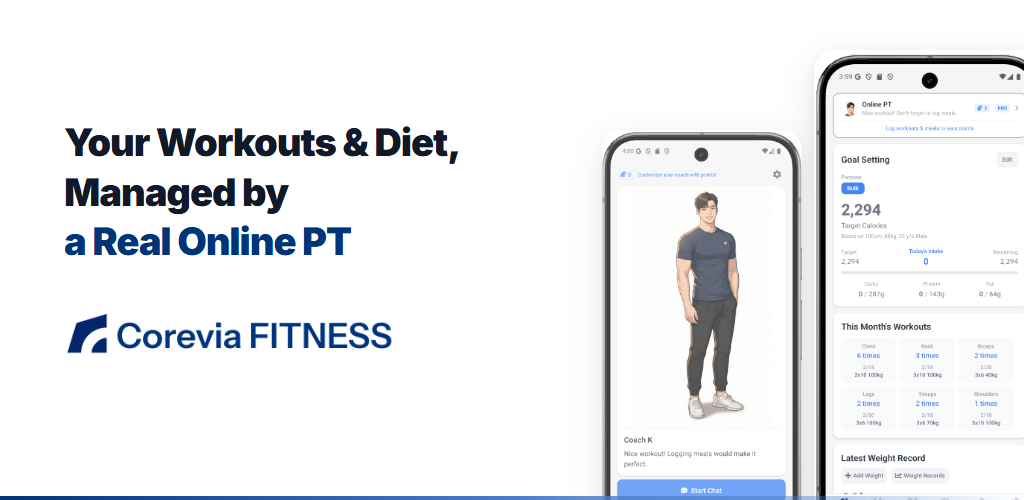
Start your healthy journey with CoreVia Fitness
AI-powered meal tracking, personalized coaching, and more — all in one app.