
Unsure Whether to Do Cardio, Strength Training, or Both for Weight Loss?
Unsure Whether to Do Cardio, Strength Training, or Both for Weight Loss?
Ever felt confused about whether to focus on cardio, weightlifting, or how to combine the two? Especially when trying to lose weight, many of us want to shed fat while maintaining muscle. I’ve been there myself. While cardio is known to burn fat effectively, many wonder what additional benefits strength training offers. Today, I’ll share my personal experience and the latest science on how combining cardio and strength training impacts fat loss.
My Fitness Journey: Balancing Fat Loss and Muscle Maintenance
Starting Out: Juggling Cardio and Weights
When I first started losing weight, I dove straight into cardio — mainly running on the treadmill. Seeing the scale go down felt great. But soon, I noticed I was getting leaner but also weaker and less toned. A friend suggested adding strength training, so I began using gym weights. As I built muscle, I saw my body changing in ways I hadn’t expected — it was surprisingly fun.
Turning Point: Seeing Real Results
Once I combined cardio with weight training, fat loss accelerated, and my muscle mass stayed intact. Seeing my body become more sculpted without losing muscle was incredibly motivating. Plus, increased muscle kept my metabolism higher, making it easier to maintain my weight after dieting. It proved that muscle isn’t just for looks — it’s essential for long-term fat management.
The Secret: Consistency and Adjusting Goals
The key wasn’t just working hard but staying consistent. I gradually adjusted my routine every month — reducing cardio as I advanced and increasing weight training. When my goals shifted, so did my workout plan. This approach improved my overall fitness and health.
From my experience, combining cardio with strength training makes fat loss and muscle preservation much more effective.
How Cardio and Strength Training Affect Fat Burning and Hormones
How Cardio Burns Fat: Instant Effects
Cardio exercises like brisk walking, running, or cycling elevate your heart rate and burn calories quickly. This makes them highly effective for weight loss — CDC reports support cardio’s role in rapid calorie expenditure. While cardio mainly burns fat in the short term, it doesn’t significantly increase muscle size or strength.
How Strength Training Boosts Metabolism
Strength training focuses on building muscle. Muscles are metabolically active tissues that burn calories even at rest. Increasing muscle mass raises your basal metabolic rate (BMR), helping you burn more calories throughout the day. According to the American College of Sports Medicine, stronger muscles support sustained weight management.
Hormonal Effects of Combining Cardio and Weights
Adding both types of exercise can stimulate growth hormone production, which aids muscle growth and fat loss. At the same time, managing stress hormones like cortisol is crucial, as excessive cortisol can break down muscle tissue. When combined wisely, cardio and strength training optimize hormone balance, enhancing fat burning and muscle preservation. A 2020 study in Sports Science Journal confirms this synergy.
| Exercise Type | Calories Burned | BMR Impact | Muscle Maintenance & Growth | Hormonal Effects |
|---|---|---|---|---|
| Cardio | High | Slight | Limited | Increases growth hormone, may raise cortisol |
| Strength Training | Moderate | Significant | Builds and maintains | Boosts growth hormone, regulates cortisol |
| Combo (Cardio + Weights) | High | Significant | Maintains or increases | Maximize growth hormone, stabilize cortisol |
In essence, combining cardio with strength training helps you shed fat while maintaining muscle, with added hormonal benefits.
Easy-to-Follow Routine for Beginners: Cardio + Strength
Weekly Schedule: How Much and When?
For beginners, aim for 3–4 sessions per week. Each session should include about 30–40 minutes of cardio and 30 minutes of strength training. Start slow, with light intensity, and gradually increase as your fitness improves. Focus on basic moves like brisk walking, light jogging, squats, and push-ups, using your body weight.
Workout Order and Rest
It’s best to do strength training first, when your energy is highest, then follow with cardio. This way, you’ll lift with more strength and focus. Rest between sets should be about 30 seconds to a minute. If your workout is intense, give yourself a little more recovery time to avoid fatigue or injury.
Sample Routines Based on Goals
- Fat Loss: 40 minutes of cardio + 20 minutes of light strength training (high reps, body weight)
- Muscle Gain: 40 minutes of weightlifting + 20 minutes of cardio (heavier weights, fewer reps)
Adjust these as you progress. The most important thing is to stay consistent.
Use apps like CoreFit or MyWorkoutPlan to track your routines, and consider utilizing AI coaching or posture analysis to optimize your workouts.
FAQs: Cardio vs. Strength Training
What’s the ideal ratio of cardio to weights?
Most experts recommend about 60% cardio and 40% strength training. Early in weight loss, you might focus more on cardio; later, increase strength training to preserve muscle. Always tailor your plan to your fitness level and goals.
How do intensity and duration influence weight loss?
Higher-intensity workouts burn more calories in less time, but can be harder to sustain. Lower-intensity, longer sessions help with fat burning but take more time. A gradual increase in intensity — such as incorporating HIIT (High-Intensity Interval Training) — can give you the benefits of both.
How should I eat to preserve or grow muscle?
Adequate protein intake is key — about 1.2–1.6 grams per kilogram of body weight daily. Consuming protein and carbs shortly after workouts helps muscle recovery. Balance your diet with healthy fats and nutrients to support overall health and energy.
| Question | Summary of Advice |
|---|---|
| How much cardio vs. weightlifting? | 60% cardio, 40% strength (adjust as needed) |
| Exercise intensity & duration | Gradually increase, consider HIIT for efficiency |
| Diet for muscle maintenance | Prioritize protein, eat post-workout nutrition |
Remember, what you eat is just as important as your workouts. Use nutrition tracking apps to stay on top of your diet.
Final Thoughts
Combining cardio with strength training offers the best of both worlds: faster fat loss and sustained muscle. Cardio helps you burn calories quickly, while strength training keeps your metabolism high and your muscles strong. Consistency and adjusting your routine based on your goals are what make the difference. Don’t aim for perfection from the start — gradually ramp up your effort for sustainable progress.
Try using apps like CoreFit to log your workouts and meals, and leverage their AI coaching and posture analysis features to optimize your routine. With the right approach, the benefits of combining cardio and strength training become clear. Ready to feel the difference? Start today and see how your body transforms!
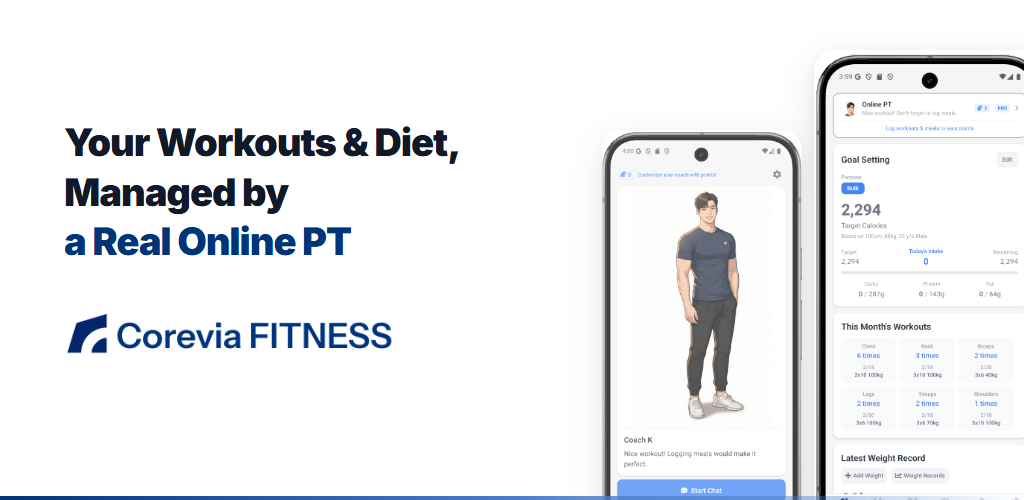
Start your healthy journey with CoreVia Fitness
AI-powered meal tracking, personalized coaching, and more — all in one app.