
Overcoming Common Challenges in Fat Loss: Protecting Your Muscle Mass
Overcoming Common Challenges in Fat Loss: Protecting Your Muscle Mass
Many people have experienced the anxious feeling of losing weight while also worrying about muscle loss. It’s frustrating to shed fat but notice your body feels softer and less powerful. When muscle diminishes, your posture and strength suffer, which can make your motivation to stick with your diet drop quickly. Focusing solely on the scale often leads to poor body composition—losing valuable muscle along with fat—which can slow down your metabolism and make future weight loss even harder.
Muscle loss during fat loss isn’t just a cosmetic issue—it’s a metabolic one. Less muscle means a slower metabolism, lower energy expenditure, and increased risk of regaining weight (yo-yo dieting). If you only track the number on the scale without preserving muscle, your health and physique can suffer. Studies show that about 70% of people who try to lose weight feel disappointed by muscle loss or unfavorable changes in their shape afterward. I’ve been there myself—cutting calories and reducing workouts led to fatigue, weight rebound, and a frustrating cycle. That’s why protecting muscle while cutting fat should be a top priority.
Maintaining muscle is more important than just losing weight because muscle forms the foundation of your metabolism and strength.
Why Do People Lose Muscle During Fat Loss? Common Pitfalls
Most muscle loss during dieting stems from poor approach—extreme calorie restriction and fad diets. Thinking that simply eating less is enough can backfire, especially with very low-carb or high-fat diets that cause your body to break down muscle protein for energy.
Research indicates that rapid weight loss can cause muscle loss of 25-30%. Losing weight too fast makes it easier to sacrifice muscle, which is why experts recommend a gradual rate of about 1 pound (0.5 kg) per week. Fast drops in weight often lead to more muscle breakdown because your body perceives it as a crisis.
Lack of strength training also contributes. Relying solely on dieting without resistance exercises makes it difficult to maintain muscle mass. Overtraining or excessive intensity can be counterproductive, increasing stress and risking muscle loss instead of preservation.
When trying to lose weight quickly, your body goes into survival mode, protecting itself by breaking down muscle tissue.
| Issue | Impact | Solution |
|---|---|---|
| Extreme calorie restriction | Increased muscle protein breakdown | Balanced diet with adequate calories |
| Very low-carb/fat diets | Energy deficiency accelerates muscle loss | Moderate carbs and healthy fats |
| No resistance training | Muscle not stimulated, metabolism drops | Incorporate strength workouts |
How to Safeguard Both Muscle and Fat Loss
To preserve muscle while shedding fat, prioritize a high-protein diet. Aim for 1.6 to 2.2 grams of protein per kilogram of body weight daily—research shows this helps prevent muscle loss and boosts fat loss. Don’t cut carbs too drastically; consuming enough carbohydrates is key for energy and muscle maintenance. Studies suggest that a balanced intake of protein and carbs outperforms strict low-carb diets for muscle preservation.
Strength training is essential. Focus on compound movements like squats, deadlifts, and presses at least 3-4 times a week. Cardiovascular exercise is beneficial too, but resistance training is the key to maintaining muscle mass. Keep your weight loss pace moderate—around 0.5 to 1 kg (1-2 pounds) per week—to minimize muscle loss.
Hormonal health and metabolic balance also play vital roles. Prioritize sufficient sleep, manage stress, and stay hydrated. These habits support hormone regulation and help your body burn fat effectively while preserving muscle. When nutrition, exercise, and lifestyle are aligned, your cutting phase becomes more sustainable and effective.
Your protein intake and workout frequency directly influence both fat loss success and muscle retention.
| Nutrition & Exercise Focus | Recommended Guidelines | Purpose |
|---|---|---|
| Protein intake | 1.6–2.2 g per kg of body weight (e.g., 70kg = 112–154g) | Supports muscle repair and growth |
| Carbohydrate intake | 40–50% of total calories | Fuels workouts, maintains energy |
| Resistance training frequency | 3–4 times weekly, focus on compound lifts | Stimulates muscles, boosts metabolism |
| Weight loss pace | 0.5–1 kg per week | Prevents excessive muscle loss |
Practical Daily Habits for Fat Loss & Muscle Preservation
Start small—make gradual changes to your daily nutrition. Prioritize protein-rich foods like grilled chicken, eggs, Greek yogurt, or plant-based options such as tofu or beans, especially around workout times. Consuming quality protein before and after exercise enhances recovery and muscle growth. Skipping breakfast or protein intake can accelerate muscle breakdown.
Workout-wise, aim for 3–4 sessions weekly involving compound movements. Consistency beats intensity here—regular, moderate effort is more sustainable and effective. Rest and recovery are just as important—overtraining can hinder progress and increase injury risk. Also, drink plenty of water and manage stress, since high cortisol levels can promote muscle breakdown.
By fine-tuning your habits—nutrition around workouts, consistent resistance training, good sleep, and hydration—you’ll better support your hormones and metabolic health. These combined efforts enable you to lose fat without sacrificing muscle.
Prioritize high-protein meals before and after workouts, and stay consistent with resistance training to hit both your fat loss and muscle preservation goals.
| Time of Day | Recommended Foods | Benefits |
|---|---|---|
| Breakfast | Eggs, chicken breast, Greek yogurt, tofu | Prevent muscle breakdown, boost metabolism |
| Pre-workout | Banana + protein shake | Fuel workouts, protect muscles |
| Post-workout | Protein + carbs (e.g., chicken + sweet potato) | Accelerate recovery, replenish glycogen |
This routine has helped many, including myself, to cut fat while maintaining muscle—especially with tools like fitness apps that track progress, suggest optimal nutrition timing, and analyze form. Consistent logging keeps you motivated and on track.
Final Word: Achieving Fat Loss & Muscle Preservation Is Challenging but Doable
Dropping body fat while keeping your muscle mass intact isn’t easy. Starving yourself or relying solely on cardio can lead to muscle loss and health setbacks. The secret lies in a balanced approach: controlled calories, ample protein and carbs, strength training, and proper rest. Managing your hormones and metabolic health amplifies your results.
This isn’t just about losing weight—it's about transforming your body composition. Small, disciplined habits—like meal planning, consistent workouts, and quality sleep—bring big changes over time.
Use tools like fitness apps to implement what you’ve learned today—track your workouts, refine your nutrition, and analyze your form. Steady consistency is your best ally.
By focusing on fat loss without sacrificing muscle, you’ll enjoy a leaner, stronger, more resilient body—ready to take on anything.
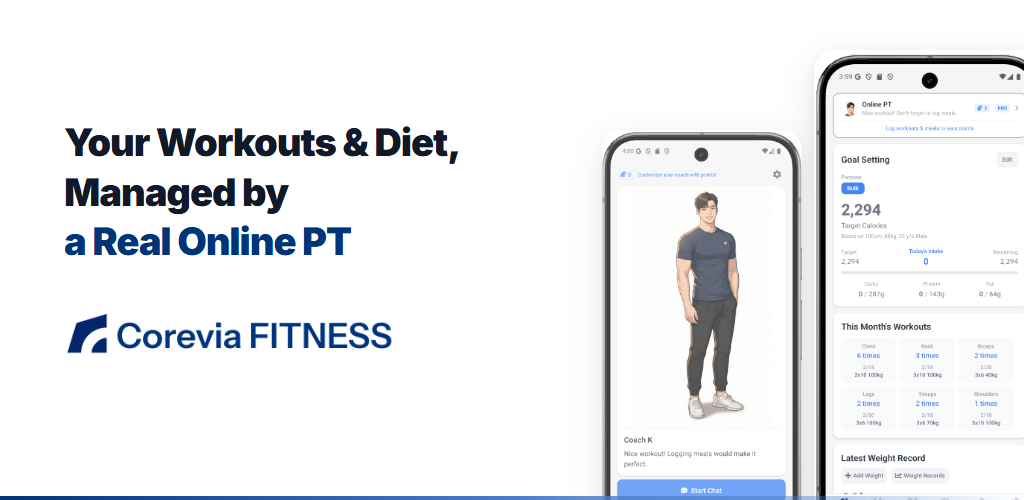
Start your healthy journey with CoreVia Fitness
AI-powered meal tracking, personalized coaching, and more — all in one app.