
Have You Tried Fat Loss Before? Why Do Many Fail Repeatedly?
Have You Tried Fat Loss Before? Why Do Many Fail Repeatedly?
Losing body fat is a common goal, but many people struggle to see lasting results. You might have experienced shedding some weight only to see it come back quickly, often called the "yoyo effect." Often, the weight lost during crash diets or extreme workouts isn’t pure fat—it’s muscle. This reduces your resting metabolic rate, making it easier to gain fat again and trapping you in a cycle of weight gain and loss. That’s why the concept of a scientific approach to fat loss has gained popularity. It’s not just about starving yourself or over-exercising; it’s about understanding your metabolism, muscle health, and hormones to create sustainable progress. Let’s explore how to do this effectively with proven, realistic methods.
Challenges and Issues in Traditional Fat Loss
Common Obstacles to Fat Loss
Many believe simply cutting calories will melt away fat—that’s partly true but oversimplified. In reality, drastic calorie restriction or intense workouts often stress the body, leading to short-term weight loss that’s hard to maintain. Over time, your metabolism slows down as your body fights to conserve energy, and motivation wanes, making it easy to give up.
Limitations of Short-Term Diets and Health Risks
Crash diets—like extreme fasting or highly restrictive meal plans—often cause muscle loss along with fat loss. Losing muscle reduces your basal metabolic rate, so once you resume normal eating, weight rebounds quickly. This is the main reason for frequent yo-yo dieting. Plus, rapid dieting can weaken your immune system, cause fatigue, and disrupt hormones, leading to health problems.
The Pitfalls of Unbalanced, Excessive Weight Cutting
Another overlooked factor is individual differences—hormone levels, metabolism, and body type vary from person to person. Following generic diet plans found online can do more harm than good if they don’t suit your unique physiology. Excessive dieting can even cause hormonal imbalances or thyroid issues, increasing the risk of failure. That’s why personalized strategies are safer and more effective than one-size-fits-all solutions.
Remember: crash dieting or extreme workouts often lead to metabolic slowdown and muscle loss. Keep this in mind.
Maintaining Health and Sustainability After Fat Loss
Beyond the Numbers: How to Keep Your Body Healthy
Losing fat isn’t just about dropping pounds on the scale—it’s about maintaining a healthy, balanced body. If you lose muscle along with fat, your body can become weak and prone to quick weight regain. The goal should be to preserve or build muscle mass to boost your metabolism after weight loss.
The Power of Building and Maintaining Muscle
Muscle acts as your body's engine, burning more calories at rest. The more muscle you have, the higher your basal metabolic rate, and the easier it is to stay lean. Combining increased protein intake with strength training helps you retain or grow muscle, improving your body composition rather than just focusing on the scale. This approach leads to healthier, more sustainable weight management.
Setting Realistic, Personalized Fat Loss Goals
Since everyone’s hormones and metabolism differ, copying someone else’s plan often backfires. For example, women’s hormonal cycles or thyroid conditions can affect weight loss speed. It’s smarter to tailor your plan based on your specific health status and body response. Consulting with a healthcare professional or a qualified trainer can make your journey safer and more effective.
Keeping your muscle mass is key to maintaining your metabolism. If you want a toned, healthy body, prioritize muscle preservation.
Science-Backed Strategies for Effective Fat Loss
Understanding Calorie Deficit and Fat Loss
Many know that creating a calorie deficit is essential, but going too low can backfire. A 2021 study from the American Society for Nutrition suggests reducing about 500 calories daily can lead to a fat loss of around 1 pound (0.5 kg) per week—an achievable, sustainable pace. Remember, 1 pound of fat equals roughly 3,500 calories, so small, consistent deficits work best.
Overly aggressive calorie cuts can cause your metabolism to slow down and muscle to break down, making long-term progress difficult. Aim for gradual, steady change to keep your body responsive.
Prioritizing Protein to Preserve Muscle
Eating enough protein is crucial during weight loss. According to a 2020 international nutrition journal, consuming at least 1.6 grams of protein per kilogram of body weight daily helps prevent muscle loss. For someone weighing 150 pounds (~68 kg), that’s about 110 grams of protein each day.
Protein supports muscle repair and growth, keeps you feeling full longer, and helps prevent overeating. Incorporate foods like lean meats, fish, beans, tofu, and dairy into your meals to support your goals.
Boosting Daily Movement with NEAT
If you struggle to find time for structured workouts, don’t underestimate the power of everyday activity—what’s called NEAT (Non-Exercise Activity Thermogenesis). Activities like walking more, taking the stairs, or doing household chores can significantly increase your daily calorie burn. A 2019 study from the International Society of Sports Science found that NEAT can be even more effective for fat loss than scheduled exercise alone.
Start small—take the stairs instead of the elevator, walk during breaks, or park further away. These little habits add up and support your fat loss efforts.
| Strategy | How It Helps | Key Reference |
|---|---|---|
| Calorie deficit | About 500 kcal daily leads to steady fat loss | 2021, American Society for Nutrition |
| Protein intake | 1.6g+ per kg prevents muscle loss | 2020, International Nutrition Journal |
| Increasing NEAT | Adds daily calorie burn through activity | 2019, International Society of Sports Science |
Combining these three habits—calorie control, sufficient protein, and active movement—can help you lose fat without overtaxing your body.
Sustaining Results and Building Long-Term Habits
Smart Eating and Lifestyle Changes
Post-diet, many regain weight because they revert to old eating habits. Maintaining a balanced diet rich in lean proteins, vegetables, and healthy fats helps prevent this. Avoid overly restrictive diets that are difficult to sustain long-term. Instead, focus on moderation and consistency.
Incorporate Movement into Daily Life
A short workout once a week isn’t enough to maintain your progress. Make activity a daily routine—stretching, walking, biking, or even gardening—so that staying active becomes part of your lifestyle. This helps preserve your muscle mass and keeps your metabolism high.
Personalize Your Hormonal and Metabolic Management
Even after reaching your goal, keep monitoring your body's signals. Stress, sleep quality, and hormonal health influence fat storage and energy levels. If you notice persistent weight issues or fatigue, consulting a healthcare professional can help you fine-tune your approach.
The key to long-term success is listening to your body and adapting your routine accordingly. Personalized management makes your results last.
In summary, effective fat loss isn’t just about cutting calories—it’s about protecting your muscle, understanding your unique physiology, and making sustainable lifestyle changes. Use a moderate calorie deficit, prioritize protein, stay active through daily movement, and get professional guidance when needed. Small, consistent efforts will lead to lasting health and confidence.
To support your journey, tools like the CoreVia app can help you track your workouts and meals seamlessly. Its AI coaching and posture analysis features make staying on course easier than ever.
Try applying these science-based tips today, and take your fat loss journey to the next level!
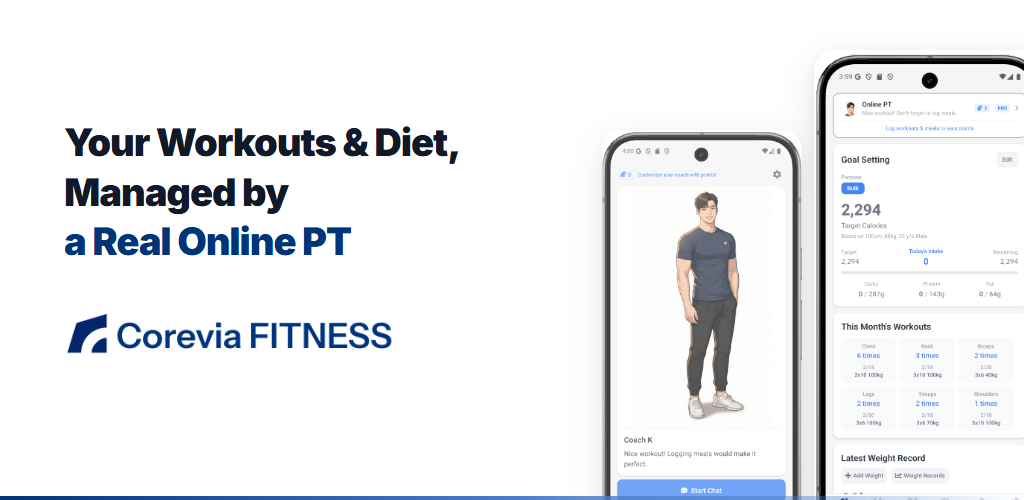
Start your healthy journey with CoreVia Fitness
AI-powered meal tracking, personalized coaching, and more — all in one app.