
A Fitness Guide for Women
Are you curious about how hormones influence women’s fitness? Many women wonder why their workout results vary, or why they feel more tired or moody at certain times. Because hormonal shifts are significant, the effectiveness of exercise can fluctuate throughout the month or life stages. In this guide, we’ll explore how hormones impact women’s fitness, share strategies for different phases, and suggest personalized workout tips for optimal results. If you’ve ever asked, “Why doesn’t my body respond like others?” this will help you understand the why behind your unique journey.
Common Challenges in Women’s Fitness and the Role of Hormonal Imbalance
How Hormonal Fluctuations Affect Daily Life and Health
If you’re feeling easily fatigued or struggling to lose weight despite regular workouts, hormones might be a factor. Women experience regular shifts in estrogen and progesterone during periods, pregnancy, and menopause. When these levels fluctuate sharply, symptoms like fatigue, weight gain, or mood swings can intensify. For example, premenstrual syndrome (PMS) often brings low energy and poor concentration. Pushing through intense workouts during these times can raise cortisol—the stress hormone—and hinder progress.
The Limits of Standard Exercise for Hormonal Balance
While exercise is essential for health, not all workouts benefit hormonal health equally. Different hormonal states demand tailored approaches. Combining strength training with cardio, at appropriate intensities, can optimize hormone regulation. If workout timing and intensity aren’t aligned with hormonal changes, weight loss and body shaping goals may be harder to achieve.
The Connection Between Hormones, Weight, and Body Composition
Hormones significantly influence fat storage and muscle maintenance. When estrogen dips, it becomes harder to retain muscle and more likely to accumulate fat—especially around menopause, where decreased estrogen can also lead to bone density loss. Understanding your hormonal cycle helps set realistic fitness goals, as exercise effectiveness can vary across your periods and life stages.
Ignoring hormonal rhythms can make you feel like your efforts aren’t paying off. Recognizing this is the first step toward effective women’s fitness.
Post-Workout Hormone Balance Leads to Better Health and Visible Results
Maintaining Hormonal Harmony for Weight Loss and Wellness
Regular exercise helps regulate estrogen levels, supporting fat loss and muscle growth. Studies show combining cardio and strength training boosts estrogen, promoting fat breakdown and improving overall health. Stable hormones reduce fatigue and enhance vitality.
How Exercise Modulates Estrogen, Progesterone, and Testosterone
Exercise isn’t just about building muscle; it also lifts progesterone and lowers cortisol, stabilizing mood and reducing stress. Maintaining healthy testosterone levels helps preserve muscle and reduce fat, especially important for women in menopause, when testosterone naturally declines. Strength training is crucial for maintaining muscle mass and bone strength during this phase.
How Different Phases of the Menstrual Cycle and Menopause Affect Exercise Outcomes
Your cycle influences how your body responds to workouts. After ovulation, estrogen rises, making strength training more effective. Pre-menstruation, when progesterone peaks, may cause fatigue, so workouts should be lighter. During menopause, focusing on strength and cardio can help maintain bone density and shape. Ignoring these shifts may lead to joint pain or unwanted weight gain.
Many women notice that their bodies change significantly with hormonal shifts—understanding this helps create more effective, personalized routines.
Tailoring Your Workout by Hormone and Cycle Phase
Effective Exercise Strategies Based on Hormone Levels
Knowing which exercises support your hormonal health makes a difference. For example:
- Estrogen: Focus on strength training—lifting weights to boost muscle and reduce fat.
- Progesterone: Incorporate gentle cardio and stretching to ease stress.
- Testosterone: Engage in moderate to high-intensity strength workouts to sustain muscle.
| Hormone | Recommended Exercise | Benefits |
|---|---|---|
| Estrogen | Heavy lifting, resistance training | Fat loss, muscle gain |
| Progesterone | Light cardio, yoga, stretching | Stress relief, mood stability |
| Testosterone | Moderate to high-intensity strength | Muscle maintenance, recovery |
Timing and Adjustment Based on Menstrual Stage and Menopause
Before your period, energy might dip, so reduce workout intensity. After your period, prioritize building strength and recovery. During menopause, combining resistance and cardio helps preserve bone and muscle. Adjusting workouts to match your cycle reduces injury risk and keeps motivation high.
Adjusting Intensity and Types of Exercise During Hormonal Fluctuations
During PMS or stressful times, opt for lighter activities like walking, yoga, or stretching. When feeling good, push yourself with weight training or interval sessions. Recognizing these patterns helps you avoid overtraining and optimizes results.
Fine-tuning your workout intensity around hormonal changes is key to staying healthy and consistent.
Building a Consistent Routine for Hormonal Balance and Well-being
Incorporating Regular Exercise and Managing Hormonal Health Daily
Consistency beats intensity. Regularly including cardio and strength sessions supports hormonal health. Aligning workouts with your cycle enhances efficacy and keeps motivation high. Even small daily efforts can make a big difference in managing weight and mood.
Post-Exercise Recovery and Stress Management
Stretching, meditation, or deep breathing after workouts helps lower cortisol. Adequate sleep is vital for hormonal regulation. Remember, rest and recovery are just as important as exercise itself.
Setting Goals That Reflect Your Hormonal Changes and Maintaining Motivation
Adjust your goals based on your cycle or menopausal status—perhaps emphasizing strength and bone health over rapid weight loss. Using fitness apps or trackers can help you monitor progress and stay accountable. Tools like CoreVia’s AI coaching feature can provide personalized guidance, making it easier to stay on track.
Flexibility in your fitness plan, aligned with your hormonal rhythm, leads to sustainable progress.
Paying attention to hormonal fluctuations is essential for women’s fitness. Without considering these natural rhythms, even the most committed workouts may feel ineffective. This guide covered how to customize your exercise routine according to your cycle and hormonal state, along with tips for maintaining consistency. Remember, understanding your body’s signals turns exercise from a chore into a tailored, empowering experience. Try applying what you’ve learned today with the CoreVia app—track your workouts, manage your nutrition, and stay motivated on your journey to better health.
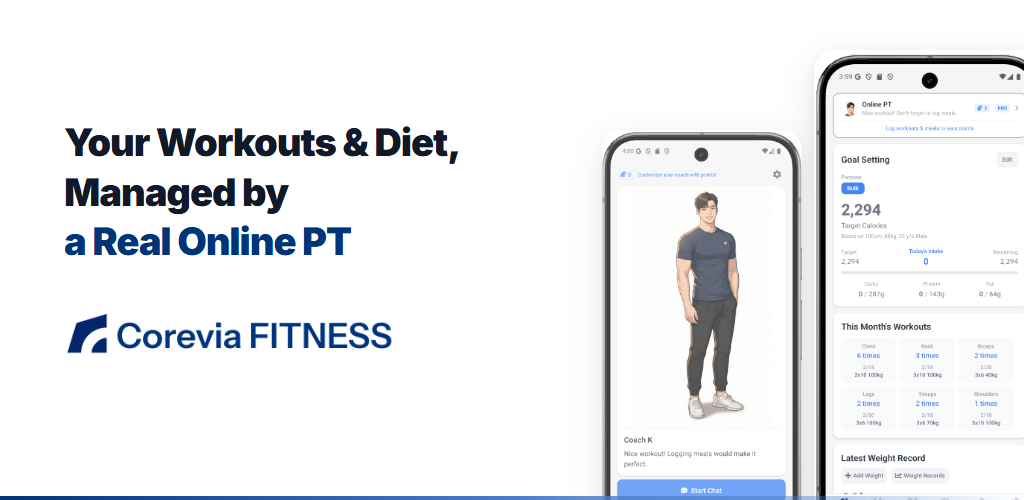
Start your healthy journey with CoreVia Fitness
AI-powered meal tracking, personalized coaching, and more — all in one app.