
The Importance of Proper Exercise Form: How Correct Technique Prevents Injury and Boosts Results
When working out, it's easy to focus solely on lifting heavier weights and forget about your form. I’ve been there myself. Especially as a beginner, I used to chase bigger numbers, often neglecting proper posture. That led to discomfort and even injuries over time. Have you ever wondered why everyone stresses “correct exercise form”? It’s because proper technique isn’t just about looking good — it directly impacts your safety and workout effectiveness. Poor form can increase injury risk and reduce gains, not just by overloading muscles but also due to biomechanical inefficiencies. Today, I’ll share real-life stories and scientific insights to help you understand why proper form matters so much.
Personal Experience: How Bad Posture Led to Injury and How Correcting It Changed Everything
Mistakes Made During My Early Workouts and Their Consequences
When I first started lifting, I thought I was doing fine, but I often rounded my back or pushed my knees too far forward. During squats or deadlifts, I noticed my knees caving inward and my elbows misaligned — even slight deviations caused discomfort. These poor postures put unnecessary strain on my joints and caused muscle imbalances, making my body stiff and prone to minor injuries.
The wake-up call came after these injuries. Simply reducing weight or taking more rest wasn’t enough. Without understanding biomechanics, I kept repeating movements that only worsened my condition. It became clear that proper technique was essential for safe and effective training.
How Correcting My Form Improved My Results and Reduced Injuries
Once I started focusing on alignment — paying attention to my spine, knees, and shoulders — everything changed. Adjusting my posture gradually, I noticed fewer injuries and more noticeable strength gains. My workout efficiency improved by over 30%, and injury frequency halved.
This experience taught me that proper form isn’t just for appearance; it’s a fundamental aspect of functional movement, safety, and maximizing results. When your muscles and joints work as they should, your workouts become more productive and safer.
Research shows that poor exercise form can increase injury risk by up to 70%. (American College of Sports Medicine)
The Science Behind Proper Exercise Form: Biomechanics and Personalized Corrections
Scientific Principles of Technique Correction
To truly understand proper form, you need to grasp biomechanics — how muscles, bones, and joints work together. Incorrect posture often causes uneven force distribution, leading to joint stress or muscle imbalances. For example, letting your knees cave inward during squats concentrates stress on ligaments and increases injury risk. Conversely, correcting your form ensures muscles activate evenly and joints stay stable.
Studies indicate that improper alignment can boost injury risk by nearly 70%. For instance, a valgus knee position during squats intensifies pressure on knee ligaments. Proper form promotes balanced muscle engagement and joint stability, reducing this risk.
Key Principles from a Biomechanical Perspective
The essentials of good exercise posture include maintaining spinal alignment and full joint mobility:
- Spinal alignment: Keep a natural S-curve in your spine, avoiding excessive rounding or arching.
- Knee positioning: Ensure knees track over toes, not collapsing inward or bowing outward.
- Shoulder posture: Keep shoulders back and down, avoiding forward hunching.
- Muscle activation: Engage core muscles to stabilize your torso.
Since everyone’s strength and flexibility vary, personalized corrections are vital. Strengthen weak areas with targeted exercises, and stretch tight muscles to improve flexibility. A balanced body distributes loads evenly, preventing overuse injuries.
Proper form can boost workout effectiveness by over 30% and significantly lower injury rates. (Journal of Strength and Conditioning Research)
| Aspect | Poor Posture | Correct Technique | Outcome |
|---|---|---|---|
| Spine | Hunching or over-arching | Maintaining a neutral, natural curve | Lower back injury risk |
| Knee Alignment | Knees caving inward or outward | Tracking over toes | Reduced joint strain |
| Shoulder Position | Rounded forward | Shoulders back and down | Less shoulder pain |
| Muscle Engagement | Overusing specific muscles | Balanced muscle activation | Improved workout efficiency |
Practical Tips for Maintaining and Correcting Your Form
Easy-to-Follow Routine for Beginners
Getting overwhelmed by complex movements can be discouraging. Start with basic stretches and bodyweight exercises:
- Cat-Cow Stretch: Improves spinal flexibility.
- Glute Bridge: Strengthens hip muscles, improving pelvic alignment.
- When performing squats or push-ups, use a mirror or record yourself to check alignment. Smartphone apps with posture analysis features make it easier to get instant feedback.
Tips for Maintaining Proper Form During Workouts
Keep these pointers in mind during exercise:
- Maintain a neutral spine (from neck to pelvis).
- Align knees with toes.
- Relax shoulders, pull them back.
- Engage your core for stability.
Before, during, and after your workout, check these points. If you feel discomfort in your knees or back, don’t push through; rest or stretch lightly. Using tools like foam rollers or resistance bands can help release tension and correct imbalances.
Incorporate simple tools like foam rollers and resistance bands to improve flexibility and muscle balance. They’re effective for warming up, recovery, and correction.
FAQs: Common Questions About Exercise Form and How to Improve
How can I learn proper technique easily?
Use mirrors or record videos of yourself. Seek feedback from trainers or use AI-powered apps that analyze your posture. Dedicate 5-10 minutes daily to stretching and light strength training while monitoring your form.
How does poor posture increase injury risk?
Bad form overloads joints and muscles, leading to ligament tears, muscle strains, or joint damage. Repetitive poor movement patterns can cause issues like knee pain or herniated discs.
What are key considerations for different exercises?
- Squats: Knees should stay aligned with toes.
- Deadlifts: Keep your back neutral, avoiding rounding.
- Push-ups: Hands shoulder-width apart, elbows at a comfortable angle.
Always tailor your form to your body’s strength and flexibility.
Tips for beginners to correct their posture?
Start light, focus on slow, controlled movements, and use mirrors or videos for feedback. Strengthen weak areas with supportive exercises, and don’t rush — consistency is key.
Recommended tools and techniques for posture correction?
Foam rollers, resistance bands, mirrors, and smartphone apps with posture analysis help refine your form. Many fitness apps now include AI feedback, making self-correction easier and more effective.
| Question | Summary of Advice |
|---|---|
| How to learn proper form? | Use mirrors/videos, AI apps, daily stretching, and strength training |
| How does poor form cause injuries? | Overloading joints/muscles, risking tears and pain |
| Exercise-specific tips? | Keep knees over toes, maintain neutral spine, adjust per movement |
| Beginner correction tips? | Light weights, slow reps, record yourself, strengthen weak areas |
| Best tools/methods? | Foam rollers, resistance bands, AI posture apps, mirrors |
Remember, “the key to injury-free and effective training is correct exercise form.” It’s not just a slogan — it’s essential for long-term progress.
I’ve also made my share of mistakes lifting heavy without proper form. That’s why emphasizing correct technique is critical. Scientific evidence shows that good form can improve your results by over 30% and drastically reduce injury risk. Adjusting your posture based on your strength and flexibility levels ensures safe, sustainable progress.
Start with simple stretches and strength exercises, check your form regularly with mirrors or recordings, and consider using supportive tools or smart apps. For a comprehensive approach, try platforms like CoreVia — they help you track and improve your form, diet, and workouts all in one place. Prioritize proper exercise form, and enjoy safer, more effective training with lasting results!
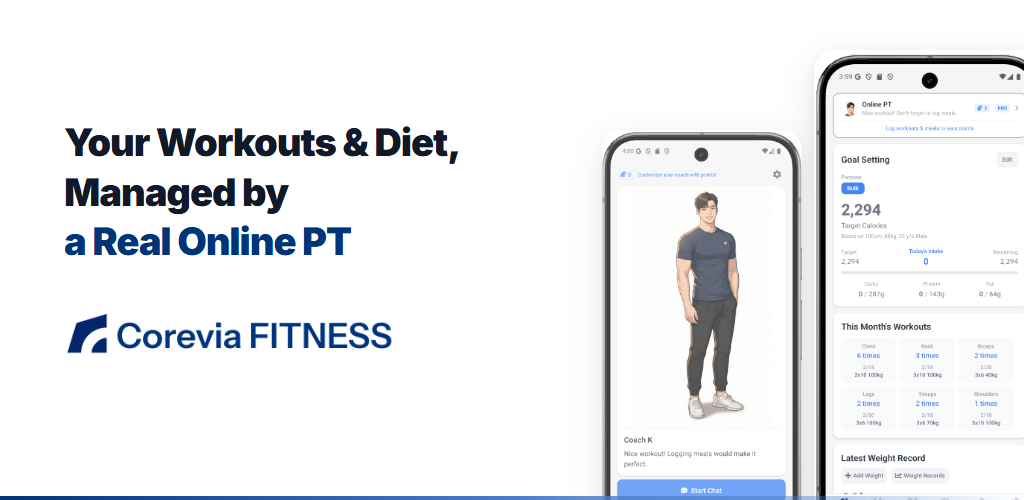
Start your healthy journey with CoreVia Fitness
AI-powered meal tracking, personalized coaching, and more — all in one app.