
Home Workouts: A Beginner's Guide to Bodyweight Exercise at Home
These days, more people are working out at home. If you're wondering whether bodyweight exercises alone can help you build strength or manage your weight, you're not alone. Many worry about whether their form is correct or if they might get injured. It can also be confusing to figure out which exercises combine strength and cardio, especially if you're just starting out. In this guide, we'll address these concerns and share effective routines that you can do at home to see real results.
Is Bodyweight Exercise Enough? Can It Improve Fitness and Burn Fat?
The Science Behind Bodyweight Exercises
Think bodyweight workouts are too weak? That’s a myth. According to research from the American College of Sports Medicine (ACSM), well-designed bodyweight routines can significantly boost strength and help with fat loss. Since you're using your own weight, you can target muscles effectively without any equipment. Just adjust reps and intensity, and you'll see steady progress.
Balancing Strength and Cardio
Worried that focusing only on strength won’t improve your cardiovascular health? Many bodyweight moves, like push-ups, jump squats, and burpees, get your heart rate up while working muscles. For example, burpees combine a squat, push-up, and jump, giving you a full-body workout that boosts endurance. Mixing these exercises makes your workout more efficient, especially if you're short on time. Even just 30 minutes daily can lead to noticeable improvements in stamina and fat loss.
Varying your exercises in intensity and type keeps your muscles challenged and helps you continue improving.
How to Avoid Injuries and Maintain Proper Form at Home
The Importance of Warm-Up and Stretching
Many skip warm-ups, but they’re essential to prevent injuries. Spend a few minutes loosening up your neck, shoulders, and lower back with light stretching and joint circles. This prepares your muscles and joints for activity. Skipping this step can lead to strains or other issues during your workout.
Maintaining Good Posture and Self-Checking
Poor form reduces exercise effectiveness and raises injury risk. Use a mirror or record yourself to check your movements. Nowadays, there are apps with AI-powered posture analysis that can give real-time feedback. Correcting your form is key to maximizing benefits and staying safe.
Adjusting Exercise Intensity Safely
Start slow, especially if you're a beginner. Reduce reps or modify movements—like doing knee push-ups instead of standard ones—to avoid overexertion. If you feel pain during exercise, pause and rest. Persistent soreness or discomfort the next day signals you should lower the intensity. Listening to your body is crucial for sustainable progress.
Tailoring workout intensity to your current fitness level helps prevent burnout and injury, making it easier to stick with your routine.
Effective Bodyweight Moves for Both Strength and Cardio
Compound Exercises for Full-Body Benefits
To hit both strength and cardio, focus on multi-joint moves. Good options include push-ups, jump squats, mountain climbers, and jumping lunges. These exercises engage multiple muscle groups and elevate your heart rate. For instance, mountain climbers target your core while increasing overall endurance.
Beginner-Friendly Combinations
Don’t jump straight into high-intensity moves like fast-paced burpees. Start with easier variations—like wall push-ups or standing lunges—and gradually build up. Repeating low-impact versions in sets is safer and helps build confidence and strength before progressing.
How to Progress Safely
Use your pulse and breathing to gauge workout intensity. If talking becomes difficult, it’s time to rest. Rest for 30 seconds to a minute between sets, adjusting based on your fitness. Keeping the right balance ensures consistent improvements without overtaxing your body.
| Exercise | Target Area | How to Scale Up | Cardio Effect |
|---|---|---|---|
| Push-up | Chest, shoulders, arms | Knee push-ups, wall push-ups | Moderate |
| Burpee | Full body | Slow down speed, reduce reps | High |
| Jumping Lunge | Legs, glutes, heart | Do stationary lunges | Moderate to high |
| Mountain Climber | Core, cardio | Do slowly or with less range | High |
These movements alone can build both muscular strength and cardiovascular fitness effectively at home.
Easy Home Routine for Beginners: How to Start and Progress
Simple, Manageable Workout Plan
Begin with 3-4 sessions a week, each lasting around 30 minutes. Include a 5-minute warm-up, 20 minutes of main exercises, and 5 minutes of stretching. Focus on classic moves like push-ups, squats, lunges, and planks. Adjust repetitions to match your comfort level, gradually increasing as you get stronger.
How to Structure Your Workout
Follow a pattern: warm-up, main exercises, cool-down. For beginners, aim for 10–15 reps per set, doing 2–3 rounds with 30 seconds to 1-minute rest between sets. As your fitness improves, add more rounds or reps.
Building Consistency
Stick to a simple plan—avoid overly complicated routines or long sessions that might discourage you. Track your progress by noting how you feel or recording your reps. Use apps like MyFitnessPal or FitOn, which can help schedule workouts, track progress, and even offer AI coaching for form correction.
Consistency beats intensity. Regular, manageable workouts will lead to lasting improvements in strength and endurance.
How to Adjust Workout Intensity and Maintain Long-Term Progress
Know Your Limits and Set Realistic Goals
Assess your current fitness by testing how many push-ups or squats you can do comfortably. Set clear goals—whether it’s losing weight, building muscle, or improving endurance—and tailor your workouts accordingly.
Modifying Intensity Safely
If you find yourself gasping or unable to speak during exercise, slow down or take a break. If it feels too easy, add more reps or speed up slightly. Always listen to your body to avoid setbacks.
Nutrition and Rest Are Key
Recovery is just as important as exercise. Eat enough protein and healthy carbs after workouts to support muscle repair. Prioritize sleep and rest days to prevent overtraining. Balance is essential for sustainable progress.
Combining proper training, nutrition, and rest ensures your fitness journey is effective and safe over the long term.
Final Thoughts: Achieving Fitness at Home with Bodyweight Exercises
You can definitely improve your strength and shed fat using just your bodyweight. ACSM guidelines support this approach. Incorporate compound moves like push-ups, squats, and burpees a few times a week for optimal results. As you progress, gradually increase the challenge.
Always warm up properly, check your form, and avoid overexertion. Start simple, stay consistent, and pair your workouts with good nutrition and rest. Even with limited space and equipment, smart planning and gradual progression will help you stay motivated and see results.
Use apps like CoreVia to log your workouts, track your diet, and get AI-driven feedback on your form. Stay smart, stay safe, and enjoy your home fitness journey!
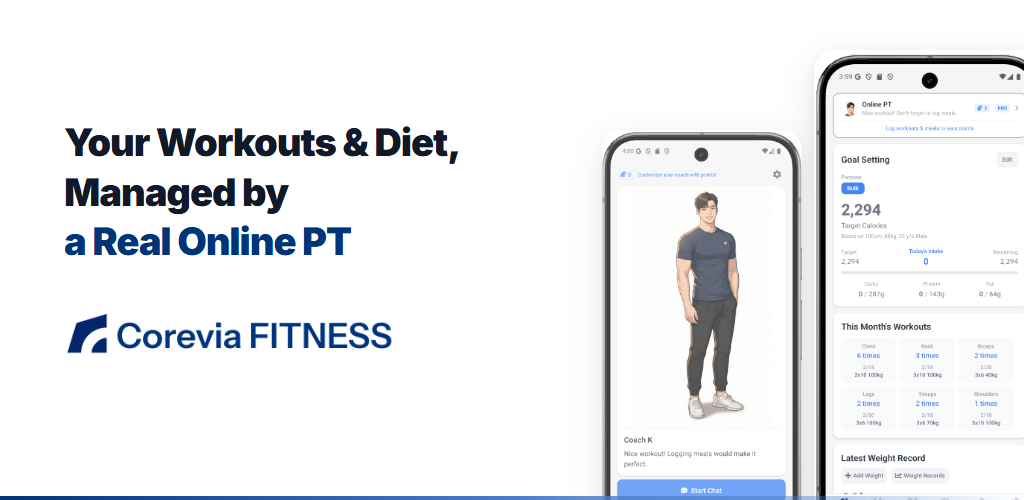
Start your healthy journey with CoreVia Fitness
AI-powered meal tracking, personalized coaching, and more — all in one app.