
How Much Water Should You Drink During Exercise? Debunking Common Myths
How Much Water Should You Drink During Exercise? Debunking Common Myths
Many people wonder, "Is plain water enough during workouts?" When searching for "hydration during exercise," this question tops the list. You’ve probably felt your energy drain quickly if you forget to hydrate, but simply drinking water isn’t the whole story. Did you know that your hydration needs depend on electrolytes, your body weight, and exercise intensity? In this guide, we'll clear up common misconceptions, share scientific insights, and help you develop a personalized hydration strategy for optimal performance.
Common Myths and Facts About Hydration During Exercise
"Just Drinking Water Is Enough"
A common misconception is that water alone suffices during workouts. I used to think so, too. But when you sweat heavily, you lose not just fluids but also electrolytes like sodium and potassium. Without these, your body struggles to absorb water properly, risking dehydration. So, hydrating with only water isn’t enough — electrolytes matter.
Overhydration Is Dangerous
Some believe drinking too much water can harm health. While true—excessive intake can cause hyponatremia (dangerously low blood sodium)—this is rare and usually linked to extreme cases. Moderate hydration is safe; the key is balance. Combining water with electrolytes is essential for safe, effective hydration.
Electrolyte Supplements Are Unnecessary
Others think if they don’t sweat much, they don’t need electrolytes. Not quite. Electrolytes are crucial to prevent muscle cramps and fatigue. If you often experience leg cramps after workouts, you might be lacking these vital minerals.
"Proper hydration isn’t just about drinking water; replenishing electrolytes is vital to prevent fatigue and dehydration."
The Science of Hydration During Exercise
How Much to Drink and When
The American Council on Exercise recommends sipping 150-300ml of water every 15-20 minutes during exercise. This helps replace lost fluids and keeps your body balanced. Drinking too much at once can cause discomfort, while too little risks dehydration — timing and quantity are key.
Electrolytes and Water Absorption
Ever notice that water makes you feel bloated or that you need to pee frequently? That’s often due to electrolyte imbalance. When electrolytes like sodium and potassium are low, your body can’t hold onto water effectively; instead, it’s expelled quickly. Proper electrolyte levels promote better water absorption into cells, aiding muscle function and reducing fatigue. Replenishing both is essential.
Personalized Hydration Based on Body and Workout
Everyone’s hydration needs differ based on body weight and workout intensity. A 60kg person doing light jogging needs less fluid than an 80kg person doing high-intensity interval training. Tracking your sweat loss and activity can help determine your ideal intake. Apps like CoreVia can analyze your data and provide tailored advice.
"Effective hydration involves not just drinking enough water but also balancing electrolytes and customizing your intake to your body’s needs."
How to Maximize Hydration for Better Performance
Timing and Quantity
Start hydrating an hour before exercise — about 300-500ml of water. During your workout, sip steadily every 15-20 minutes, 150-300ml at a time. After finishing, replenish lost fluids and electrolytes promptly for faster recovery.
Choosing the Right Sports Drinks
While water is fine for short exercises, longer sessions or intense sweating call for drinks with electrolytes. Look for options with balanced sodium and potassium levels, avoiding overly sugary or artificial products. Natural mineral waters or electrolyte mixes are great choices.
Creating Your Personal Hydration Plan
The most effective approach is tailoring your hydration to your body. Weigh yourself before and after workouts to estimate fluid loss, then adjust intake accordingly. On hot days or during high-intensity sessions, increase electrolyte intake. Using apps like CoreVia to log your workouts and meals can help AI coaches give personalized advice.
"Hydration isn’t just about drinking more — timing, electrolyte balance, and personal strategy are what truly boost your performance."
What Research Tells Us About Hydration
Recommended Intake and Its Benefits
Studies show that drinking 150-300ml every 15-20 minutes supports muscle function, reduces fatigue, and maintains focus during exercise. Sticking to these guidelines can improve endurance and recovery.
Electrolyte Deficiency and Cramping
Research confirms that muscle cramps and early fatigue are often linked to electrolyte shortages. Ensuring adequate sodium and potassium intake during exercise helps prevent these issues.
Risks of Overhydration and Hyponatremia
Consuming too much water without electrolytes can lead to hyponatremia, with symptoms like nausea, headache, and in severe cases, confusion or seizures. Balance is crucial; hydrate wisely.
| Stage | Recommended Intake | Key Electrolytes | Watch Out For |
|---|---|---|---|
| Pre-Workout | 300-500ml of water | - | Avoid overdrinking |
| During Workout | Sip 150-300ml every 15-20 min | Sodium and potassium drinks | Don't overhydrate |
| Post-Workout | Replenish lost fluids | Electrolyte-rich drinks | Be cautious of hyponatremia |
"Hydration is about more than quantity — the how, what, and when you drink directly impact your performance and recovery."
Staying properly hydrated during exercise isn’t just about drinking more water. It’s about maintaining a balance between water and electrolytes, timing your intake right, and tailoring your hydration plan to your personal needs. Doing so reduces fatigue, prevents injuries, and speeds up recovery.
Using tools like the CoreVia app, you can track workouts, nutrition, and hydration all in one place. Its AI coach offers personalized tips, and with features like posture analysis and hydration logs, you’ll gain better insight into your body’s needs.
Apply these hydration tips today to elevate your workouts. Keep a consistent routine, monitor your intake, and stay energized. Your body will thank you!
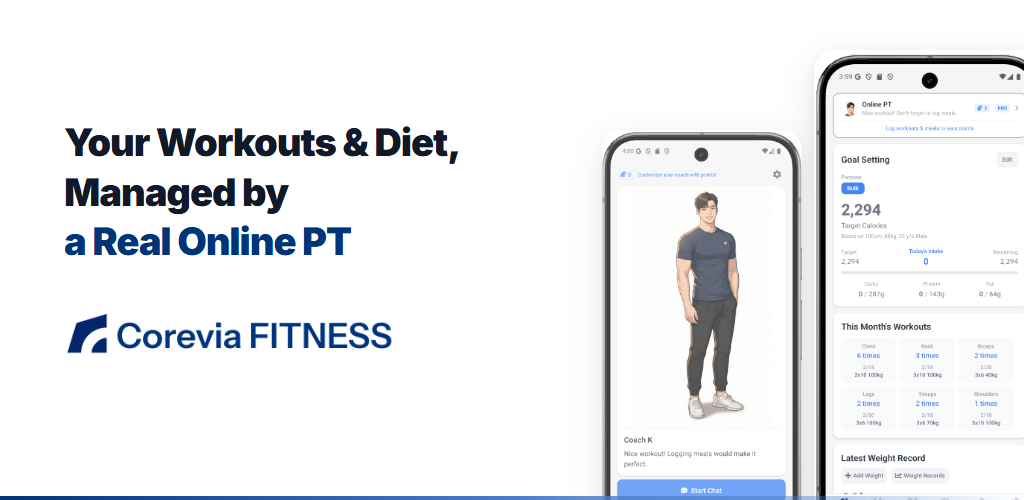
Start your healthy journey with CoreVia Fitness
AI-powered meal tracking, personalized coaching, and more — all in one app.