
Have You Heard of the 16:8 Intermittent Fasting Diet? Here's What You Need to Know
Have You Heard of the 16:8 Intermittent Fasting Diet? Here's What You Need to Know
Lately, when chatting about weight loss or meal planning, one term keeps popping up: intermittent fasting. Among the various methods, the 16:8 approach is gaining popularity, but it might sound unfamiliar. Essentially, it means fasting for 16 hours each day and eating within an 8-hour window. But does it really help you lose weight? Is it easy to start? Are there any side effects? If you're curious, you're not alone. Many wonder how to fit this pattern into their busy lives. Today, we’ll explore personal experiences, scientific principles, practical tips, and common questions about the 16:8 intermittent fasting method.
Personal Stories: Successes and Challenges with the 16:8 Fasting Plan
Real-Life Experiences and Changes
People who try the 16:8 fasting diet often report noticeable weight loss. For example, a working professional, Alex, skipped breakfast and ate only from noon to 8 p.m., losing about 11 pounds in three months. Beyond weight loss, they experienced better blood sugar control and felt less bloated, leading to a lighter, more energetic body. Another person, Sarah, faced emotional ups and downs but found that sticking to fixed eating hours improved her focus and reduced stress. These stories show that 16:8 isn’t just about calorie counting — it can positively impact both physical health and mental well-being.
Overcoming Initial Hurdles
At first, many find it tough. Hunger is the biggest challenge, especially skipping breakfast. I tried it myself and spent the first week feeling antsy and empty. But as I adjusted, fasting became easier, and I started savoring my meals more intentionally. Alex said staying hydrated with water or unsweetened tea helped curb hunger, and eating slowly made her feel fuller. Sarah noticed that aligning her meals with active parts of the day reduced her hunger pangs.
“The beginning is the hardest, but with consistency, your eating habits naturally settle into a pattern.”
How and Why the 16:8 Fasting Works — The Science Behind It
Why Fasting for 16 Hours Is Effective
What makes 16 hours of fasting so powerful? When you eat, your blood sugar rises, prompting insulin release. Insulin helps store glucose in cells but also promotes fat storage. When fasting, insulin levels drop, signaling your body to tap into stored fat for energy. Over time, this process reduces body fat and promotes weight loss.
Improving Insulin Sensitivity and Losing Weight
A 2018 study published in Cell Metabolism found that people following the 16:8 pattern improved their insulin sensitivity and lost weight compared to those eating normally. Better insulin sensitivity means your body can better manage blood sugar, reducing the risk of metabolic issues like type 2 diabetes. Additionally, fasting activates fat-burning hormones, aiding in overall fat loss.
Hormonal Shifts and Metabolism Boost
Fasting also increases growth hormone production, which helps preserve muscle and burn fat. During fasting states, growth hormone levels rise, contributing to a faster metabolism. These hormonal changes explain why many find 16:8 effective not just for weight management but also for overall health.
“While insulin decreases during fasting, growth hormone increases, supporting fat breakdown and muscle maintenance.”
Easy Steps to Start and Maintain the 16:8 Fasting Routine
Tailoring Your Fasting Schedule
The beauty of 16:8 fasting is its flexibility. You can choose your 8-hour eating window based on your daily routine. For early risers, eating from 7 a.m. to 3 p.m. works well. Night owls might prefer a midday to evening window, like noon to 8 p.m. Consider your sleep schedule, work hours, and activity levels to find what fits best.
Tips for Balanced Meals
Since your eating window is shorter, focus on nutrient-dense foods. Include plenty of lean proteins, vegetables, and healthy fats, while limiting processed carbs. For example, lunch could be grilled chicken with salad and sweet potatoes, and dinner might be baked salmon with greens and avocado. Simple, wholesome meals help sustain energy and keep you full longer.
Building Habits for Consistency
Stay well-hydrated with water or unsweetened herbal teas during fasting hours. Regular exercise and sufficient sleep contribute to better results. Timing workouts before or after eating can also help maintain muscle and enhance fat burning. Small, consistent habits make the routine sustainable over the long term.
“Adjust your meal times to suit your lifestyle, and pair that with good hydration and regular activity for the best results.”
FAQs and Tips for the 16:8 Fasting Method
Does 16:8 Help with Weight Loss?
Yes, numerous studies show that the 16:8 approach supports weight loss by improving insulin sensitivity and promoting fat burning. Many find it easier to stick to compared to traditional calorie-restricted diets, often leading to better long-term success.
How to Start for Beginners?
Begin with a shorter fast, such as 12 hours — for example, eating dinner at 7 p.m. and skipping breakfast until 7 a.m. the next day. Gradually extend your fasting window to 16 hours as your body adjusts. Focus on balanced meals and staying well-hydrated.
Are There Any Side Effects or Risks?
Most healthy individuals tolerate 16:8 well, but some may experience headaches, dizziness, or fatigue initially. Those with conditions like diabetes, pregnant women, or breastfeeding moms should consult a healthcare professional before starting. Avoid sudden, extreme fasting to prevent health issues.
Can It Be Combined with Other Diets?
Absolutely. Combining 16:8 with low-carb, high-protein, or Mediterranean diets can enhance results. Just ensure your overall diet remains balanced and sustainable.
Is It Safe for Pregnant or Chronically Ill People?
People with health conditions such as diabetes, heart disease, or women during pregnancy or breastfeeding should seek medical advice before trying intermittent fasting. Personalized guidance ensures safety and effectiveness.
| Comparison Chart | 16:8 Intermittent Fasting | 5:2 Diet | One Meal a Day (OMAD) |
|---|---|---|---|
| Eating Pattern | 8-hour eating window, 16-hour fast | 2 days of calorie restriction per week | One meal per day, 23-hour fast |
| Weight Loss Effect | Steady, sustainable loss; improves insulin sensitivity | Rapid weight loss but harder to maintain | Fast results, but very intense |
| Suitable For | People with regular routines | Flexible eaters who can handle restrictions | Experienced dieters comfortable with extreme routines |
| Precautions | Avoid if prone to low blood sugar, not recommended during pregnancy | Risk of overeating on non-fasting days | Potential for nutrient deficiencies, fatigue |
| Ease of Maintaining | Generally manageable | Requires planning | Challenging; not for everyone |
“Choose a method that fits your lifestyle and goals. For beginners, 16:8 offers a manageable and flexible starting point.”
The key takeaway is that intermittent fasting, especially the 16:8 method, isn’t just about cutting meal times — it’s about adjusting your habits thoughtfully, considering your health, and finding a routine that works for you. There’s no one-size-fits-all solution, but with patience and consistency, you can discover what helps you feel your best. Remember, what you eat during your window matters just as much as when you eat.
Try applying these tips today with tools like the CoreVia app — track your workouts, plan your meals, and monitor your progress all in one place. Features like AI coaching and posture analysis can help you stay motivated and optimize your fasting journey. It might feel challenging at first, but stick with it — your body will thank you as you start to see and feel the results.
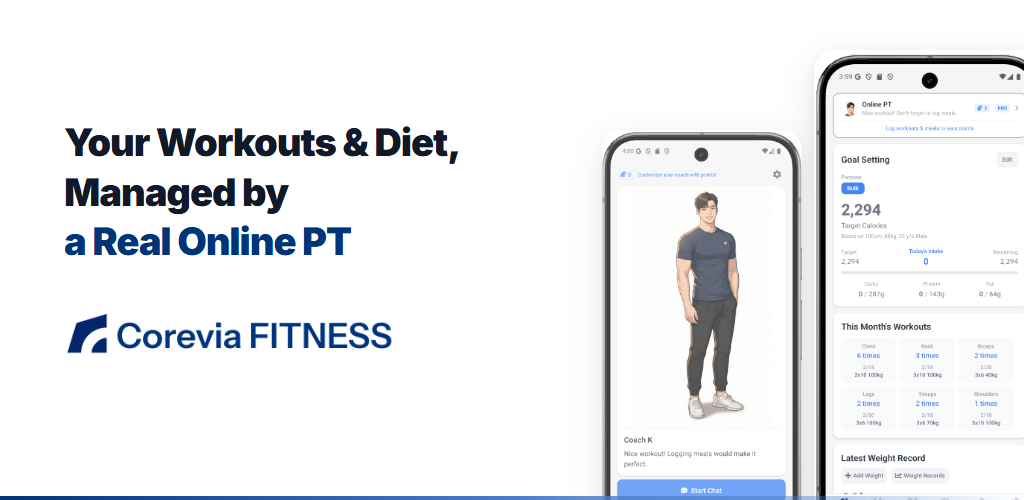
Start your healthy journey with CoreVia Fitness
AI-powered meal tracking, personalized coaching, and more — all in one app.