
Staying Motivated to Exercise: How Psychology Can Help You Build Habits
Staying Motivated to Exercise: How Psychology Can Help You Build Habits
Ever find your motivation wavering just when you’re trying to stick with your workout routine? Or feel like your new healthy habits are slipping away easily? The truth is, developing consistent exercise habits often requires a mental shift—something that’s not always easy to achieve.
Talking about “Exercise Motivation and Habit Formation Psychology” might sound a bit technical or intimidating, but when you blend real-life experience with proven psychological theories, effective strategies become clearer. Today, I want to share some practical insights that can help you stay on track and make your fitness journey smoother.
Real Success Story: How I Transformed in 66 Days
Overcoming the Initial Struggles and the Temptation to Quit
Starting a new workout routine can feel overwhelming. I’ve been there—after sweating it out, I’d think, “Why am I doing this?” Sure, working out feels great afterward, but during the session, all I wanted was to lie down or scroll through my phone. The desire to rest often made me want to give up.
What I realized is that feeling like quitting is totally normal. According to research from the American Psychological Association, it takes about 66 days to form a new habit. So I committed to pushing through that period, reminding myself, “This is just how habits are built.” Whenever I felt like quitting, I told myself, “This is part of the process,” and kept going.
Small Goals and the Power of Achievement
Trying to go from zero to an hour every day was daunting. Instead, I started with tiny, manageable goals—like a 10-minute walk or a quick stretch session. Every time I achieved these small targets, I felt a little sense of victory. Over time, these little wins built my confidence and kept me motivated.
According to Self-Determination Theory, feeling like I’m choosing and controlling my actions makes motivation last longer. The more I felt that I was in charge of my workouts—and that I was getting better at them—the more I started to genuinely enjoy exercising. After about two months, it became a natural part of my daily routine.
I truly felt how impactful small successes are in keeping up motivation over the long haul.
The Psychology Behind Making Exercise a Habit: Key Principles
Self-Determination Theory and Long-Term Commitment
One common reason exercise feels hard is that many people rely on external motivators—like rewards, punishments, or pressure from others. That’s usually unsustainable. Self-Determination Theory highlights three core needs for internal motivation: autonomy (feeling in control), competence (feeling capable), and relatedness (connection with others).
When these needs are met—like choosing your workout times, noticing your progress, or exercising with friends—you’re more likely to stick with it. For example, I set my own workout schedule and tracked my improvements, which boosted my confidence. Exercising with a buddy made it more enjoyable and easier to stay consistent.
The Stages of Change Model and Building Confidence
Another helpful framework is the Transtheoretical Model, which breaks down behavior change into stages: from preparation to maintenance. Knowing which stage you're in helps tailor your approach.
Initially, start small—like just stretching for five minutes—and gradually increase intensity and duration. As you progress, focus on maintaining consistency. Building confidence (“I can do this”) is crucial, and you can do that by celebrating small wins. Using fitness apps with AI coaches or video feedback can also improve your form and give you that extra boost of encouragement.
How Psychology Explains Habit Formation
Habit formation involves more than just repetition. It’s about creating a cue-routine-reward loop. For example, laying out your workout clothes the night before acts as a cue. Doing your workout becomes the routine, and finishing with a relaxing shower or stretching becomes the reward.
When these cues and rewards are aligned with your internal motivation, exercise becomes a natural, automatic part of your day. Interestingly, the stronger your internal motivation and the more meaningful your rewards, the quicker and more solid your habits will stick.
The secret lies in designing habits that resonate with your inner drives.
Building Your Personal Workout Routine Based on Science
Designing a 66-Day Habit Formation Plan
Inspired by the 66-day rule, I crafted my own gradual plan. For the first two weeks, I kept it super simple—like a daily five-minute stretch after waking up. During this phase, I gave myself permission to be imperfect. The goal was consistency, not perfection.
From week three onward, I slowly increased workout time and varied the activities, like adding light cardio or bodyweight exercises. I also set a fixed time slot to help my routine become ingrained.
Maintaining Autonomy and Internal Motivation
To keep my motivation high, I avoided strict schedules. Instead, I gave myself flexibility—if I felt tired, I’d opt for a brisk walk instead of a full workout. This autonomy kept me engaged and prevented burnout.
Rewarding myself for completing workouts—like taking a relaxing bath or enjoying a favorite healthy snack—created positive feedback loops that reinforced my habits.
Personalized Routines and Feedback
Everyone’s lifestyle and preferences are different. I used a fitness app that tracks my workouts and offers personalized tips via AI coaching. Features like posture analysis helped me improve form and avoid injuries. Having tailored feedback made my routine more effective and enjoyable.
Remember, finding what works best for you and adapting your plan is key to long-term success.
| Stage of Habit Formation | Focus Area | Practical Tip |
|---|---|---|
| Early (1-2 weeks) | Small, easy goals | Start simple, accept imperfections |
| Mid (3-4 weeks) | Gradual increase | Expand duration, add variety |
| Maintenance (5+ weeks) | Habit reinforcement | Keep autonomy, celebrate wins |
FAQs: Staying Motivated and Building Lasting Habits
How can I stay motivated over the long run?
The key is to reconnect with your “why.” Why do you want to exercise? Whether it’s feeling healthier, fitting into your favorite jeans, or reducing stress—your personal reasons will keep you going. Break your goal into small, achievable steps, and celebrate each progress milestone. Creating cues—like laying out your gym clothes or scheduling workouts—also helps make exercise a natural part of your daily life.
Why does it take around 66 days to form a habit?
That’s an average estimate. Some people might need only a few weeks, others several months. The main idea is that consistent repetition rewires your brain, making the behavior automatic. The longer you stick with it, the less mental effort it takes.
How do I stay motivated if I hit a slump or miss a few days?
Don’t beat yourself up. Accept that setbacks happen, and view them as part of the process. Get back on track by starting small again—maybe just a quick walk or stretching session. Reflect on what caused the slip, adjust your routine if needed, and remember that persistence beats perfection.
What are the mental health benefits of regular exercise?
Exercise isn’t just good for your body—it boosts your mood, reduces anxiety, and fights depression. Activities like brisk walking or cycling increase the release of feel-good chemicals like serotonin and dopamine, helping you manage stress and improve your overall mental resilience. Many studies show consistent exercise can be as effective as medication for mild to moderate depression.
Building a regular workout habit can significantly improve your mental well-being, making you feel more balanced and resilient.
If you understand the psychology behind motivation and habits, exercise stops feeling like a chore and becomes a natural part of your life. Focus on cultivating internal motivation and celebrating small wins. Over time, your brain will recognize physical activity as something you do automatically.
Start today by applying these principles. Use apps that track your progress, get feedback, and keep your routines flexible. The more aligned your habits are with your inner drives, the easier it becomes to stay consistent—and enjoy the journey.
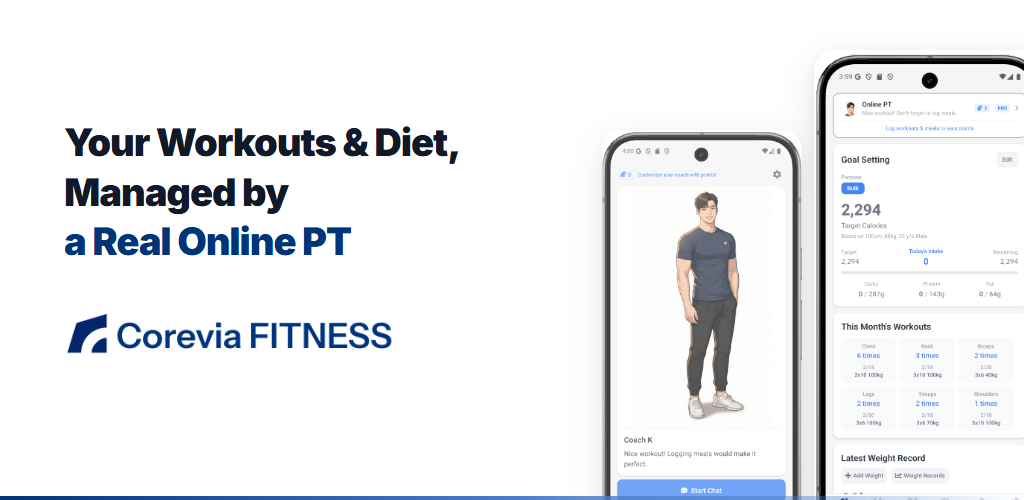
Start your healthy journey with CoreVia Fitness
AI-powered meal tracking, personalized coaching, and more — all in one app.