
Common Myths and Misconceptions About Pre- and Post-Workout Nutrition
Common Myths and Misconceptions About Pre- and Post-Workout Nutrition
The Myth: You Need to Eat a Lot Before Exercise
You've probably heard that fueling up with a big meal before hitting the gym is essential. While having some food beforehand is helpful, overeating isn't always better. A heavy meal can cause discomfort during your workout because digestion takes time, and feeling bloated or sluggish isn’t ideal. Eating too much within 30 minutes of exercising might make you feel queasy or sluggish.
The key is moderation and timing. Aim to have a balanced snack containing carbs and protein about 1-2 hours before your workout. Complex carbs like brown rice, sweet potatoes, or whole grains provide slow-burning energy, and protein helps protect your muscles. Eating too quickly or too much can backfire, leading to discomfort or sluggishness.
Remember: Overeating before exercise can put unnecessary strain on your stomach, potentially hindering your performance more than helping.
The Myth: You Must Eat Immediately After Working Out
There's a common belief that you need to chug a protein shake right after your workout. While post-exercise nutrition is important, insisting on rushing to eat immediately isn’t always necessary. Some studies suggest that consuming protein and carbs within 30–60 minutes of finishing can boost muscle recovery, but a delay of a few hours doesn't significantly impact results.
It depends on how you feel. If you’re starving right after your session, go ahead and eat soon. If you’re not hungry, waiting an hour or so is perfectly fine. The main thing is listening to your body and eating when you’re ready, rather than stressing over exact timing.
Keep in mind: There’s no need to panic if you don’t eat immediately after your workout — what matters most is consistent, balanced nutrition over time.
The Science Behind Timing Your Nutrition Around Exercise
When Is the Best Time to Fuel for Muscle Growth and Recovery?
Research from the Journal of the International Society of Sports Nutrition (2017) shows that consuming protein and carbs together within 30–60 minutes after exercise is optimal for muscle repair and growth. Carbohydrates replenish your glycogen stores—your muscles’ energy reserves—while protein helps repair damaged muscle fibers.
Whether you're lifting weights or doing cardio, fueling during this window accelerates recovery. While individual variations exist, science supports making this period your priority for nutrition.
How Exercise Intensity and Goals Influence Nutrient Timing
A 2019 study in the American Journal of Sports Medicine emphasizes that high-intensity workouts demand pre- and post-nutrition strategies focused on sustained energy and muscle preservation. Eating complex carbs and protein 1–2 hours before intense sessions supplies quick-digesting fuel and protects muscles.
If your goal is fat loss or low-intensity cardio, you might choose lighter pre-workout meals or skip eating altogether, focusing instead on post-exercise protein intake to minimize muscle loss.
| Workout Type & Goal | Pre-Workout Nutrition | Post-Workout Nutrition |
|---|---|---|
| Heavy strength training | 1-2 hours before: complex carbs + protein | Within 30–60 min: protein + carbs |
| Fat-burning cardio | Light or no meal (to limit energy intake) | Protein-focused, carbs controlled |
| Light cardio or recovery | Small carbs if needed | Protein-rich meals to prevent muscle loss |
Your training goals and workout intensity can significantly influence your nutrition timing—tailoring your plan makes a real difference.
How to Properly Fuel Before and After Your Workout
Personalized Nutrition Based on Goals and Exercise Type
The most effective approach depends on your individual goals. Want to build muscle? Have a meal with healthy carbs like sweet potatoes and lean protein such as chicken or fish 1–2 hours before your session. Afterward, opt for a protein-rich snack or shake to support muscle repair.
If weight loss is your aim, consider lighter pre-workout snacks or skipping them altogether, focusing on consuming protein after exercise to preserve lean muscle. For cardio or fat-burning workouts, prioritize post-exercise protein intake and moderate carbohydrate consumption.
Hydration and Micronutrients Matter Too
Don’t forget hydration. Drinking at least 16–20 ounces of water before and after your workout helps maintain fluid balance and improves performance. According to recent research, consuming over 500ml of water pre- and post-exercise supports optimal hydration.
Electrolytes like magnesium, potassium, and sodium lost through sweat should also be replenished via balanced meals or electrolyte drinks, especially during intense or prolonged sessions. Staying hydrated and maintaining mineral balance can prevent cramps, fatigue, and injuries.
Remember: Hydration and micronutrient intake are just as crucial as your meals around workout times.
Scientific Evidence Supporting Timing Your Nutrition
The Impact of Eating Protein and Carbohydrates Within 30–60 Minutes After Exercise
Studies, such as the 2017 research from the Journal of the International Society of Sports Nutrition, demonstrate that consuming protein and carbs shortly after training promotes faster muscle synthesis and recovery. Delays can slow down these processes and limit growth.
However, the difference between eating immediately and waiting an hour varies among individuals. The best approach is to listen to your body and adapt your timing accordingly.
Hydration and Performance Recovery
Research from 2020 indicates that drinking over 500ml of water before and after workouts helps maintain fluid levels, supporting better performance and quicker recovery. This is especially important in hot environments or during intense training.
Dehydration can lead to fatigue, decreased concentration, cramps, and increased injury risk. Incorporate regular sipping of water during your workout and hydration afterward as standard practice.
| Year | Focus Area | Key Findings |
|---|---|---|
| 2017 | Post-exercise nutrition (protein + carbs) | Enhances muscle growth and recovery |
| 2019 | Pre-workout nutrition (complex carbs + protein) | Supports energy and muscle protection |
| 2020 | Hydration (500ml+ before & after) | Maintains performance and recovery |
In summary, the idea that you must eat a lot or eat immediately before and after every workout isn’t entirely accurate. Instead, tailor your nutrition to your goals, workout intensity, and personal preferences. Having a balanced meal with carbs and protein 1–2 hours before exercise, and refueling with similar nutrients within an hour after, can optimize your results. Don’t forget hydration and micronutrients, which are equally vital.
For example, for strength training, having grilled chicken with sweet potatoes before your session and a protein smoothie afterward works well. If you're focusing on weight loss, keep pre-workout meals light or skip them, then prioritize protein after your workout.
It’s helpful to keep track of your eating and hydration habits around exercise. Using apps like CoreVia can help you stay organized, monitor your progress, and even get personalized nutrition tips through AI coaching tailored to your workout routine and goals.
Apply these tips, and with consistent effort, you’ll see better results and feel more energized.
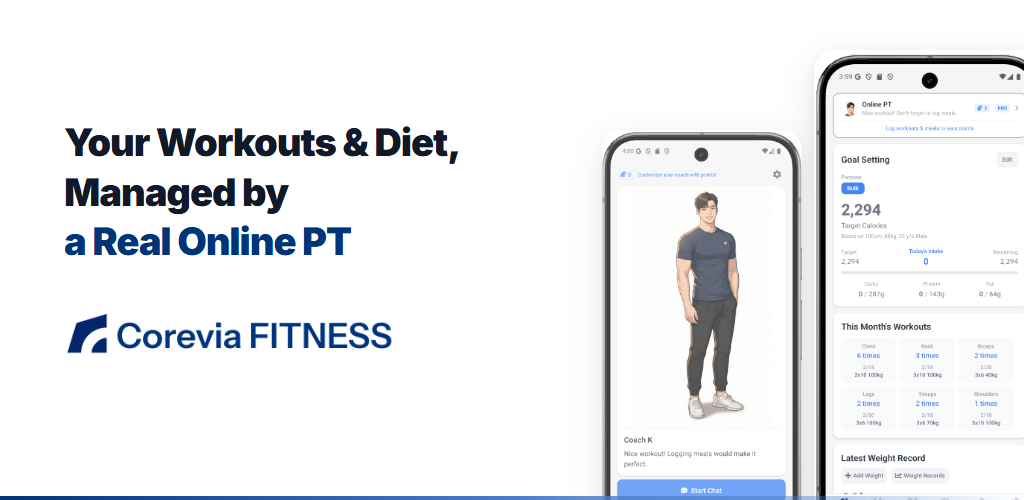
Start your healthy journey with CoreVia Fitness
AI-powered meal tracking, personalized coaching, and more — all in one app.