
When Is the Best Time to Consume Protein After Your Workout?
If you’re into building muscle or managing your weight, you’ve probably wondered: When should I eat my protein? Should I focus on hitting a specific timing for maximum effect, or just aim to meet my daily target? Is it better to spread out protein intake throughout the day, or consolidate it into fewer meals? These questions come up often, and the answers can make a real difference in your results. In this guide, we’ll explore what happens if you ignore the timing of your protein intake, how it impacts muscle growth and fat loss, and practical strategies to optimize your nutrition plan. By the end, you'll understand how to tailor your protein schedule to your specific goals—making your efforts more efficient.
Common Issues When You Miss the Optimal Protein Timing
Delaying Protein After Your Workout Can Stall Muscle Growth
You’ve probably heard that eating protein right after exercising is crucial for muscle development. That’s true—consuming protein within 1-2 hours post-workout maximizes muscle protein synthesis. This window, often called the “anabolic window,” is shorter than many think—missing it could mean missing out on valuable muscle gains. For example, waiting more than three hours after your workout to eat protein can slow recovery and limit gains, as studies like Schoenfeld’s (2013) have shown.
Poor Timing Can Make Fat Loss Harder
Protein isn’t just about muscle—it's also key to weight management. If you delay protein intake after exercise, you risk muscle breakdown and a drop in your resting metabolic rate. Over time, this can hinder fat loss by making it easier to regain weight. Proper timing helps preserve muscle, which keeps your metabolism higher and makes shedding fat more achievable.
One-Size-Fits-All Doesn’t Work for Protein Timing
If your goal is to build muscle or lose weight, eating the same amount of protein at the same times isn’t the best approach. For muscle growth, fast-absorbing proteins like whey immediately after workouts are ideal. For fat loss or maintenance, spreading protein evenly across meals or focusing on slow-digesting sources like casein can be more effective. Without a tailored plan, your results might fall short.
Not paying attention to the right timing can make it tough to hit your muscle-building or fat-loss targets. Pay close attention to when you eat your protein.
How Protein Timing Can Boost Your Workout Results and Body Composition
Timing Your Intake to Support Muscle Growth and Fat Loss
Using the right timing strategies helps you better control your body shape and performance. If building muscle is your goal, focus on consuming a quick-digesting protein like whey within an hour after training. For fat loss, aim for consistent protein intake throughout the day, dividing your total amount into multiple meals to maintain a calorie deficit while preserving muscle.
Why Is Consuming Protein Within 1-2 Hours Post-Workout So Important?
Research, such as Tang’s (2009), shows that consuming whey protein immediately after training causes a rapid rise in blood amino acids, boosting muscle repair. This quick absorption supports muscle protein synthesis and recovery. Conversely, slow-digesting proteins like casein are better suited before bed, helping to prevent muscle breakdown overnight.
Consistency Is Key for Long-Term Results
Even if you’re timing your protein intake well, eating only once or twice a day won’t cut it. Regularly distributing your protein across meals—say, three to four times daily—ensures your muscles get a steady supply of amino acids. This consistency helps your body adapt, build strength, and burn fat more effectively. The bottom line: steady habits beat occasional splurges.
Sticking to optimal timing improves recovery and makes fat management easier. Consistent, mindful eating is your best bet.
Practical Tips for Protein Intake to Support Muscle and Fat Goals
How to Eat Protein Right After Your Workout
Not all protein is created equal—consuming a whey shake or high-protein snack immediately after exercising is the most effective. Aim for about 20-40 grams of protein, focusing on high-quality sources rich in leucine, which triggers muscle growth. Avoid overeating; keep it simple and targeted.
How Often and How Much to Distribute Your Daily Protein
Meeting your daily protein goal is important, but spreading it out is even better. Studies suggest eating 20-40 grams per meal, three to four times a day, optimizes muscle synthesis. If your focus is muscle gain, prioritize protein around workouts. For weight loss, split your intake evenly across meals to stay full and preserve muscle.
| Goal | Timing Strategy | Best Protein Sources | Typical Serving (per meal) |
|---|---|---|---|
| Muscle Gain | Post-workout within 1-2 hours, pre/post workout | Whey protein, lean meats, eggs | 20-40 grams |
| Fat Loss | Spread evenly across 3-4 meals | Whey, plant-based proteins, fish | Total daily target |
Match Protein Types to Your Schedule
Whey protein absorbs quickly—perfect right after your workout. Casein digest slowly, making it ideal before bed to prevent overnight muscle breakdown. Incorporate a variety of sources like plant-based proteins during meals for diversity and long-term sustainability. Following the timing principles while considering protein types will maximize your results.
Remember: After your workout, aim to consume a quick-digesting protein within 1-2 hours, and plan your total daily intake to match your goals.
Building a Consistent, Healthy Protein Routine
Turn Timing into a Daily Habit
Achieving the best results requires consistency. Make it a habit to check your protein intake at each meal and be mindful of your post-workout window. Using tools like fitness apps can help you stay on track and develop a routine that fits your lifestyle.
Adjust Your Strategy as Goals Evolve
Your needs may change over time—so should your approach. If you’re less active or in a recovery phase, reduce your intake slightly. When ramping up training intensity or aiming for muscle growth, increase your protein accordingly. Flexibility helps you stay aligned with your objectives.
Track Progress and Stay Motivated
Keeping a record of your intake, workouts, and recovery helps maintain momentum. Use apps with AI coaching or progress tracking features to stay motivated and make informed adjustments. Long-term success depends on patience, consistency, and fine-tuning your plan.
Staying disciplined with your timing and intake, while adapting to your evolving goals, will ensure sustained progress.
While the idea of “timing your protein perfectly” might sound complicated, it boils down to simple habits: eat fast-absorbing protein like whey within 1-2 hours after working out, and distribute your total daily intake evenly. Whether you want to build muscle or shed fat, the key is consistency and flexibility—adjust as needed, and stay committed. Once it becomes routine, it feels natural.
Try applying these tips today with the CoreVia app. Track your workouts and meals in one place, and make managing your protein timing easier than ever.
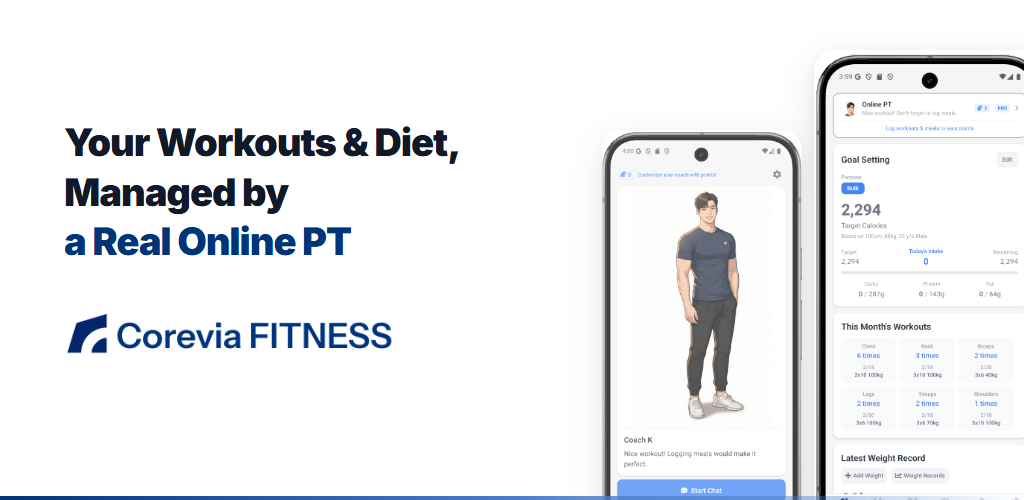
Start your healthy journey with CoreVia Fitness
AI-powered meal tracking, personalized coaching, and more — all in one app.