
Debunking Common Myths About Fitness Supplements
Debunking Common Myths About Fitness Supplements
Are Supplements Always Safe and Effective?
Many people see dietary supplements as a quick fix—"If I take it, I’ll get stronger and look fit." But the reality is more nuanced. Effectiveness varies widely depending on the product, and so does safety. Some supplements are backed by solid science, while others lack proof and could cause side effects. For example, creatine is generally safe when taken properly, but excessive doses or low-quality products might strain your kidneys.
Can You Rely on Whole Foods Alone?
While eating balanced meals is ideal, it’s not always enough—especially for busy lifestyles. Irregular eating habits or nutritional gaps can make it tough to meet your goals, whether it’s building muscle or losing fat. In these cases, supplements can be a practical way to fill nutritional gaps and support your progress.
Do All Supplements Help with Strength and Fat Loss?
Not quite. Different supplements serve different purposes. Some focus on providing extra protein, others on boosting strength, and some aid in recovery. Taking random products without clear goals can waste time and money. Choosing science-backed supplements tailored to your objectives is key.
Remember: Supplements aren’t a magic solution. Their safety and effectiveness depend heavily on the product and individual needs.
The Truth About Supplements and Scientific Evidence
Proven Supplements for Muscle Growth and Strength
Only a handful of supplements have strong scientific support. Creatine and whey protein are the most well-researched. According to a 2017 study by the International Society of Sports Nutrition, creatine boosts strength and muscle mass safely when used correctly. Similarly, whey protein is recognized as an excellent source for muscle repair and growth.
| Supplement | Main Benefits | Scientific Evidence | Safety Notes |
|---|---|---|---|
| Creatine | Strength and muscle gains | ISSN, 2017 | Safe with proper dosing |
| Whey Protein | Muscle recovery and growth | ISSN, 2017 | Safe if sourced from reputable brands |
| Multivitamins | Preventing deficiencies | Various studies (2021) | Avoid excessive intake |
| BCAAs* | Reducing muscle damage, fatigue | Some research exists | Varies by product |
| Glutamine* | Recovery aid, immune support | Controversial | Usually few side effects |
*Optional supplements; consult with a healthcare professional before use.
Importance of Quality, Certification, and Safety
Always prioritize safe, high-quality products. Look for certifications from trusted agencies like NSF or FDA approval. These ensure the product has been tested for contaminants and label accuracy. Cheaper, uncertified brands may contain impurities or pose health risks.
When Are Supplements Necessary?
While eating a nutritious diet should be your priority, some nutrients are hard to get from food alone—like certain amino acids or minerals. In those cases, targeted supplementation can support your training, helping optimize muscle building and recovery.
When choosing supplements, always check for scientific backing and certification to reduce risks.
How to Choose and Use Supplements Effectively
Tailoring Supplements to Your Goals and Body Type
The most important step is matching your supplement plan to your personal goals. Want to build muscle? Focus on creatine and protein. Aiming to lose fat? Prioritize protein and multivitamins for overall nutrition. If you have health issues or allergies, consult a healthcare professional or a personal trainer for personalized advice.
Combining Supplements with Diet and Exercise
Supplements work best when paired with proper training and nutrition. For example, consuming whey protein after workouts accelerates muscle repair. Multivitamins fill in nutritional gaps, and creatine can boost strength during intense training cycles. Using apps like CoreVia to track workouts and nutrition can help you stay consistent and make adjustments smarter.
Safe Intake Based on Scientific Evidence
Overdoing supplements can backfire. Stick to recommended doses. For creatine, 3–5 grams daily is typical; exceeding that might strain your kidneys. Adjust doses based on your weight and activity level. Always check labels and certification before purchasing.
Remember: supplements should complement a balanced workout, diet, and rest—not replace them. Moderation is key.
Scientific Research and Real-Life Success Stories
Evidence of Effectiveness
Research consistently shows that creatine and whey protein improve strength and muscle growth. The ISSN 2017 report is a prime example. When used correctly, these supplements can help you see tangible results, making your workouts more effective.
Choosing Reputable Brands
Opt for trusted brands with certifications like NSF or FDA approval. These companies follow strict manufacturing standards, reducing the risk of contaminants and side effects. Avoid cheap, unverified products from unreliable sources to protect your health.
Real Users’ Success Stories
Many athletes and fitness enthusiasts have achieved great results through consistent supplement use combined with good training and nutrition. They often select products aligned with their goals and track progress with apps that analyze form and monitor results. These success stories highlight that the right supplements, used properly, can genuinely enhance your fitness journey.
Hearing real experiences can boost your confidence in product choices and motivate you to stay consistent.
In summary: Choosing the right fitness supplements isn’t about taking everything at once. Focus on science-backed options like creatine, whey protein, and multivitamins, ensure they're certified, and combine them with proper training, nutrition, and rest. Start with basic supplements, consider your personal health, and use tools like fitness apps to stay on track. With patience and consistency, supplementing your routine can become a simple, effective way to reach your fitness goals. Give it a try—your body will thank you!
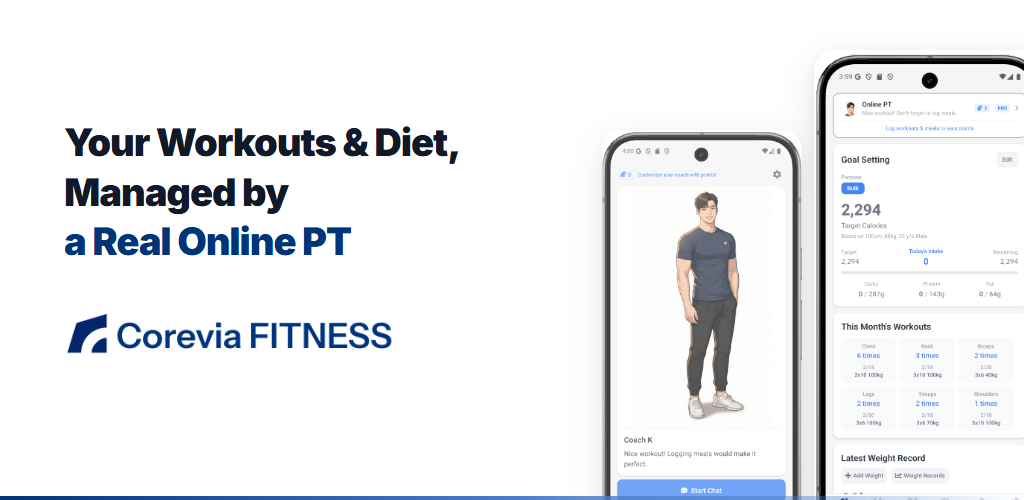
Start your healthy journey with CoreVia Fitness
AI-powered meal tracking, personalized coaching, and more — all in one app.